
Emotional Intelligence
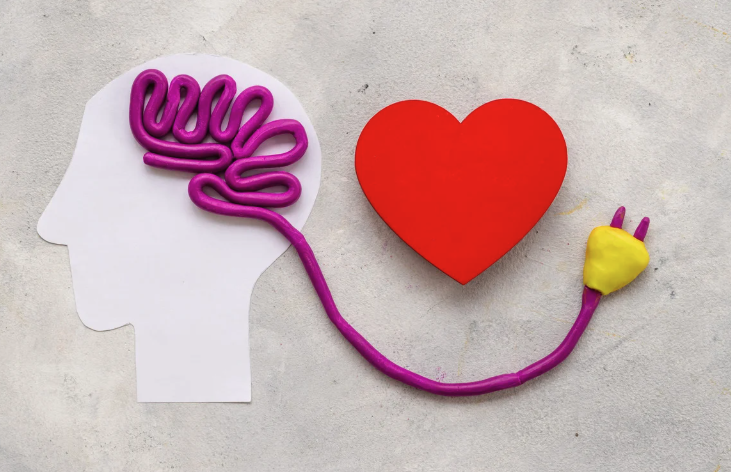
Emotional intelligence (EI) is the capacity to perceive, understand, regulate, and effectively respond to emotions in oneself and others. In occupational therapy and healthcare leadership, emotional intelligence is not a “soft skill” — it is a core professional competency that directly influences communication, teamwork, conflict management, and client-centered care. Leaders with strong emotional intelligence demonstrate self-awareness, empathy, and adaptability, enabling them to navigate complex interpersonal dynamics and high-pressure clinical environments. This topic explores how emotional intelligence supports effective leadership, strengthens interprofessional collaboration, and enhances therapeutic relationships within occupational therapy practice.
Watch:
Watch this 5:13-minute video on Emotional Intelligence to understand how self-awareness, emotional regulation, empathy, and social awareness strengthen leadership effectiveness and interprofessional collaboration in healthcare settings.
Resources:
Please complete the following Emotional Intelligence Self-Assessment created by the Global Leadership Foundation.
Global Leadership Foundation Emotional Intelligence Test
This assessment is based on Goleman’s Emotional Intelligence Model, which you can learn more about here.
The results of this self-assessment will be part of your final PIP portfolio.
Handout: